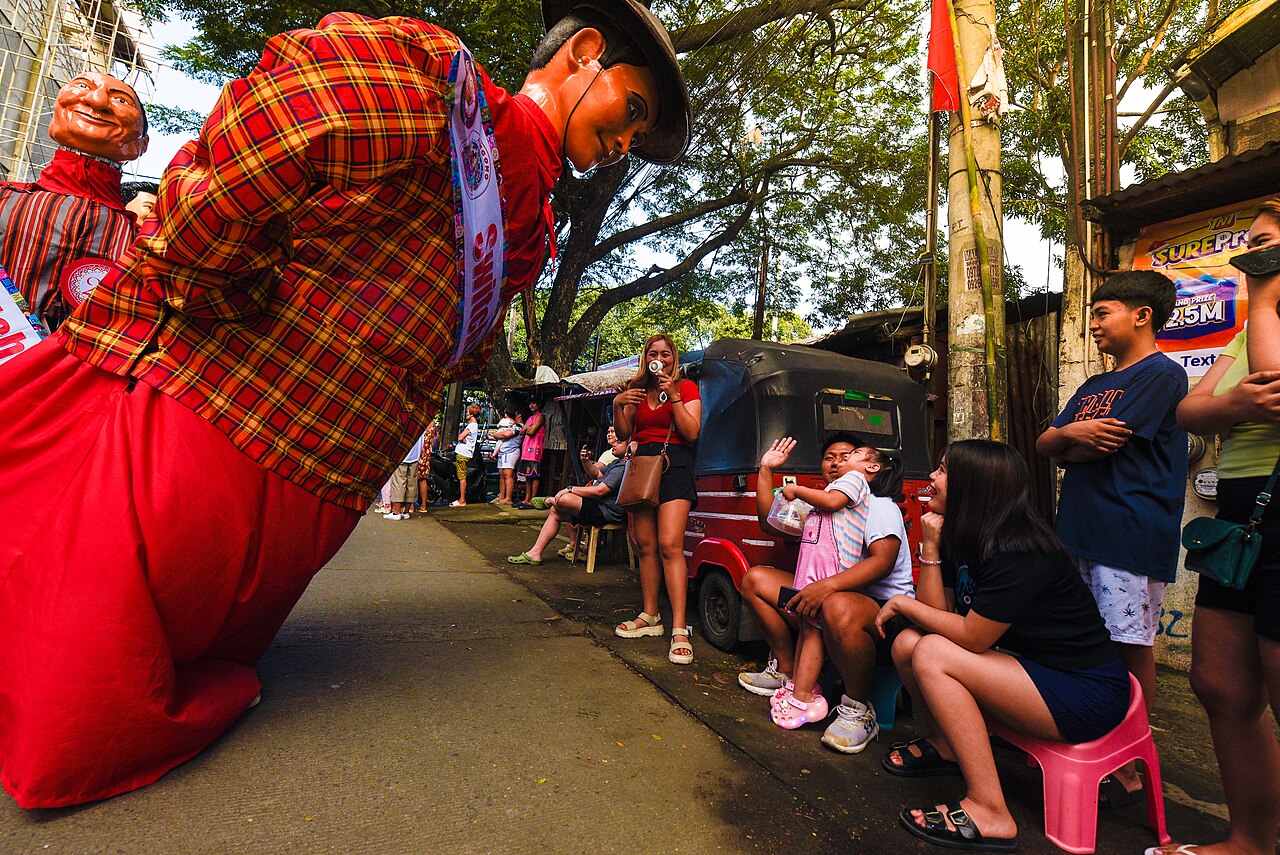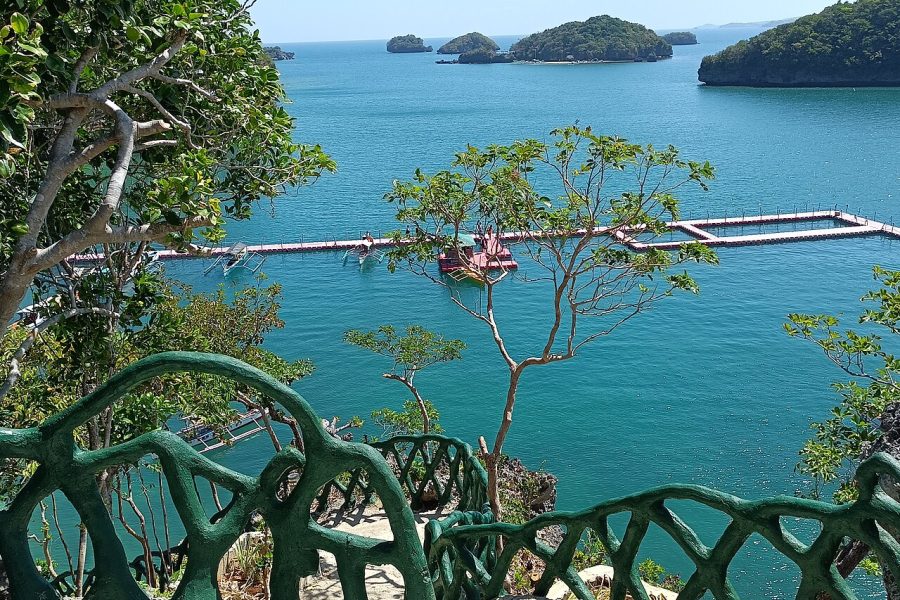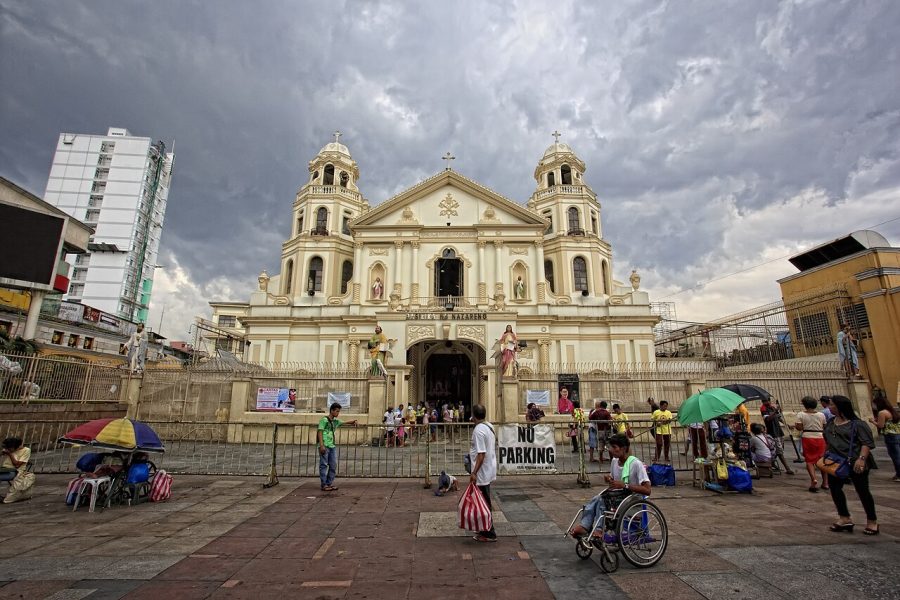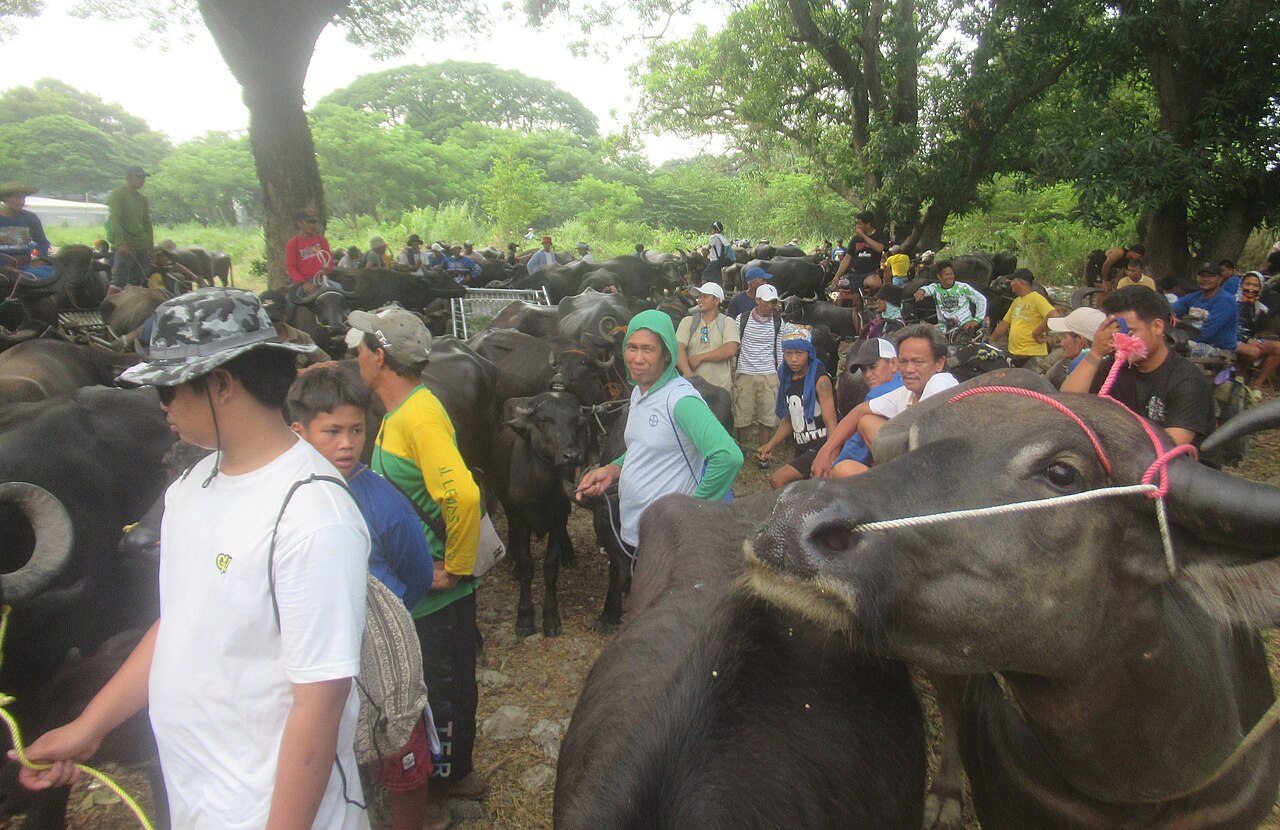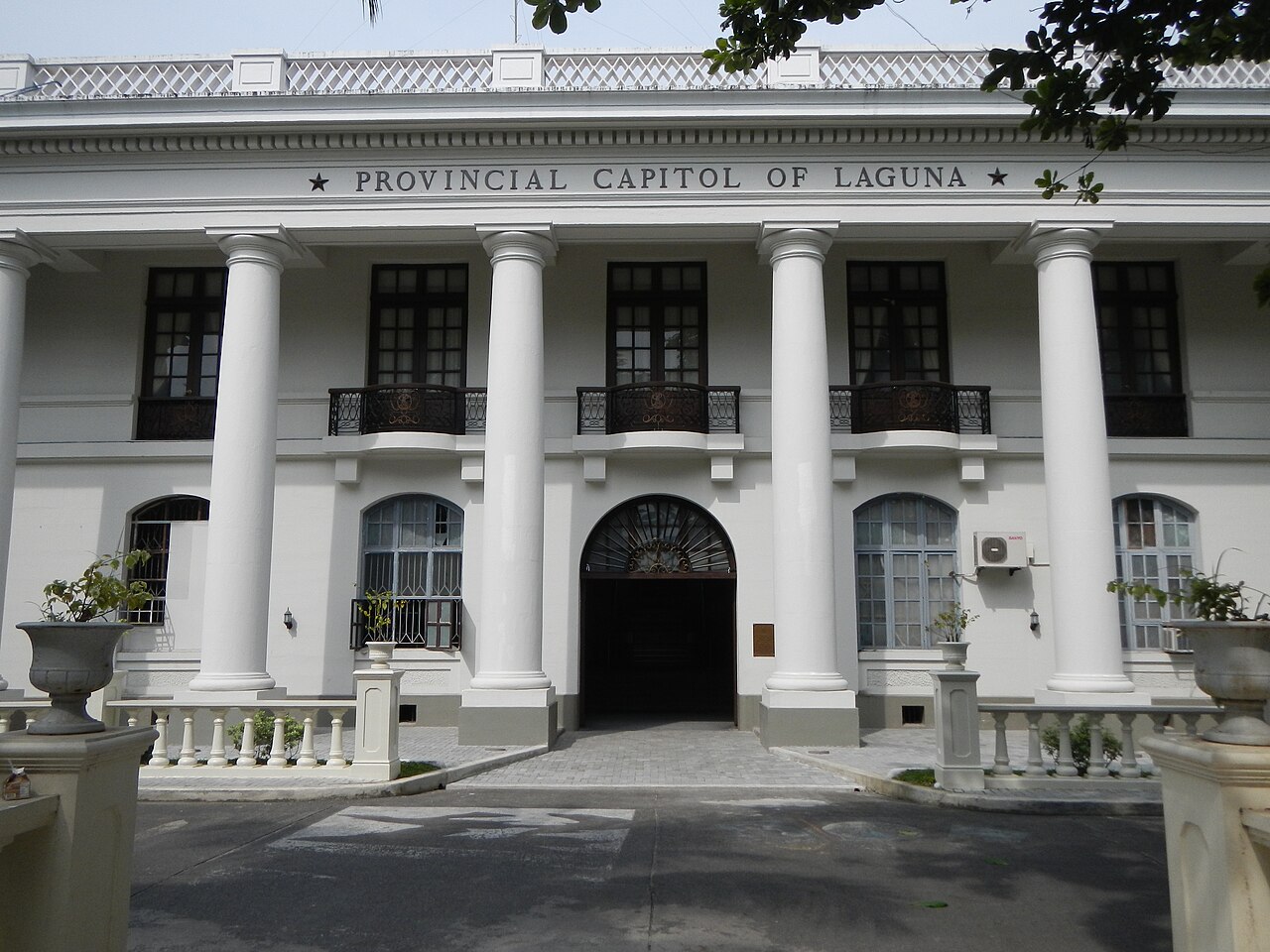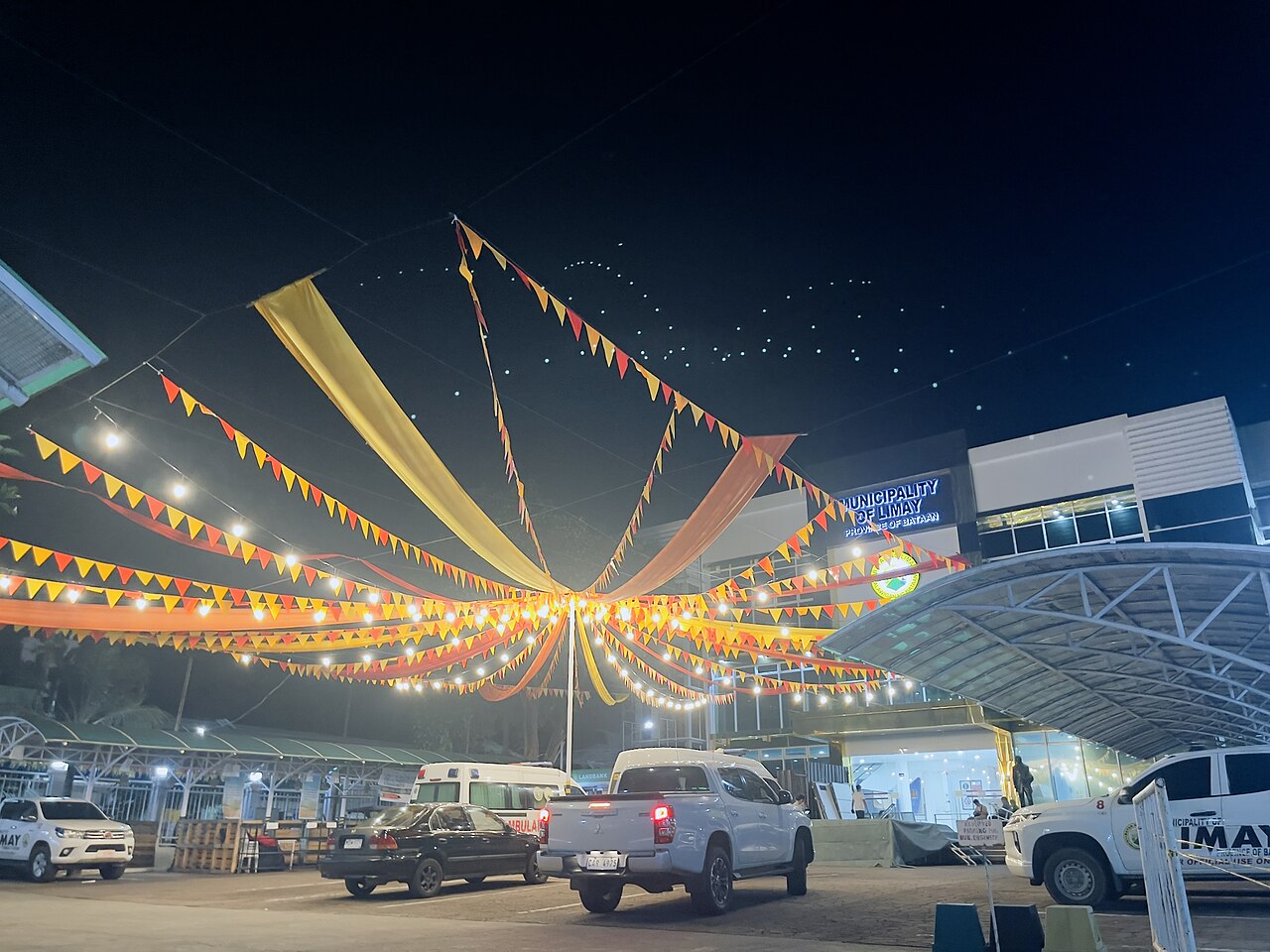
Rice Today, the magazine of the International Rice Research Institute, once tried to sum up what makes Filipino town fiestas hard to tell apart. Its list was brass marching bands, tables “on the verge of collapsing under the sheer weight of food,” and multicoloured buntings. Few readers would argue with that list. Of the three, the buntings are the cheapest, the most visible, and the least studied.
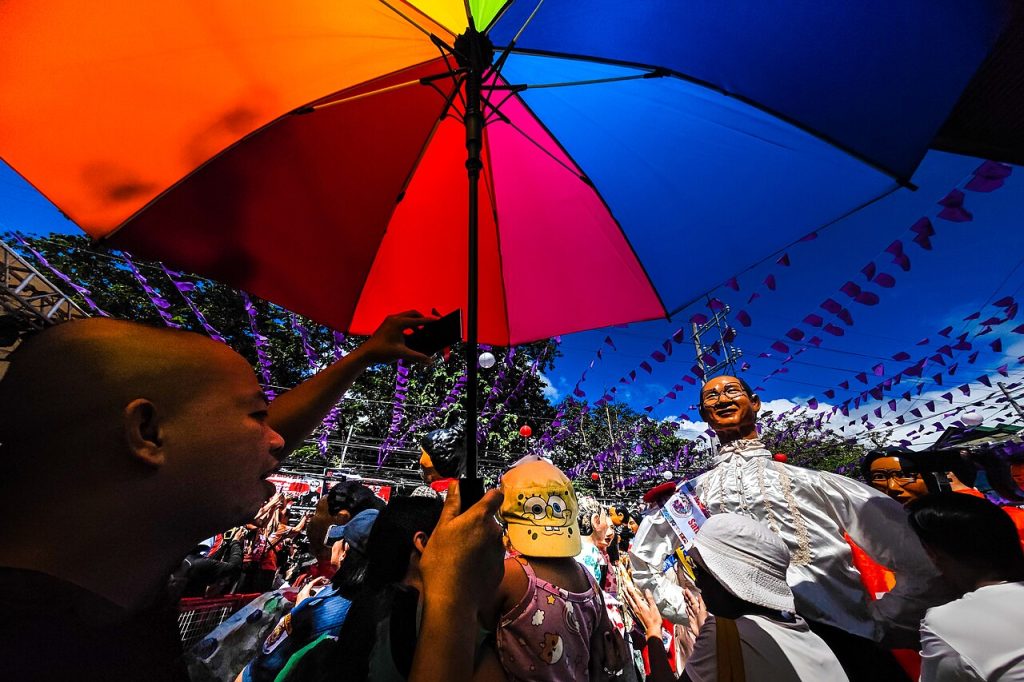
The Inquirer, in a 2019 piece on fiesta architecture by architect Vittoria Mawis, translated the word as “flaglets” and listed banderitas alongside abundant food and carrozas as things that “have all become symbolic of Filipino spirit and warmth.” GMA News put it more simply in 2024: hanging banderitas during a fiesta is a Filipino tradition for showing that a celebration is happening. For something so familiar, though, the record behind it is surprisingly thin.
A tradition nobody wrote down
The easy guess is that banderitas came with the Spanish. That is at best half an answer. Mawis’s Inquirer piece notes that fiestas themselves have roots in pre-colonial traditions and became organised celebrations under Spanish rule. The word sounds Spanish, and the fiestas that use banderitas are mostly Catholic feast days. But none of the news, museum or government sources consulted for this piece documents when Filipinos started stringing small flags over their streets, what the first ones were made of, or how the custom spread. If a solid history exists, it isn’t easy to find.
The likeliest relative lives across the Pacific. Mexico’s papel picado, cut-paper banners strung across streets and altars, is also called banderitas there; Rappler used that name for them in a 2021 piece on Bulacan’s paper-cut pastillas wrappers. London’s Horniman Museum, in a 2025 article by Florencia Denti, says modern papel picado took shape after papel de China, coloured tissue paper, arrived in Mexico in the 16th century on the Manila-Acapulco galleons. So the paper reached Mexico by way of Manila. The Philippine Star’s Catherine Jones speculated in 2008 that some Filipino paper-cutting might have “morphed from Mexico’s papel picado.” Both directions are plausible, and neither has been demonstrated. Two colonies of the same empire, linked by the same ships and celebrating the same saints, could easily have arrived at similar decorations without one copying the other.
What is better documented is that the festive cut-paper habit in the Philippines runs deep. In Bulacan, elaborate paper-cut designs are standard fiesta decoration, used as table centrepieces and souvenirs as well as pastillas wrappers, according to an essay by Sherwin Mapanoo for Artes de las Filipinas. Banderitas belong to that same family of cheap, cut, colourful, temporary things made to mark a few days as different from the rest of the year.
From cut paper to plastic sando bags
Today’s banderitas are mostly plastic, and the EcoWaste Coalition has spent close to two decades documenting exactly what kind. In a January 2009 statement ahead of the Santo Niño feast, coalition president Manny Calonzo said the group was “stunned” by the volume of buntings in Tondo, enough to make it “the undisputed banderitas capital of the country,” and listed the materials: plastic bags, product advertisements and packaging scraps. Quoted by GMA News in 2008, Calonzo called them “modern buntings made from thin plastic bags, packaging leftovers and product ads.” The word “modern” implies, without quite saying it, that the plastic versions replaced something older.
The list has grown since. In 2016 coordinator Aileen Lucero told the Philippine Star that many buntings in Pandacan and Tondo were made from “new ultra-thin plastic bags” that blow into storm drains, and that coloured PVC sheets used for banderitas are laced with toxic metals such as lead. That same month the coalition singled out San Andres Bukid, where streets were strung with plastic sando bags for the Sagrada Familia feast. In 2020 zero-waste campaigner Jove Benosa called the Santo Niño de Tondo decorations “an overkill,” telling the Inquirer that the banderitas, made of semi-transparent bags, plastic strips and packaging scraps, are “rarely reused or recycled.”
The coalition has also pointed to alternatives that work. Fabric-scrap buntings can be washed, stored and rehung. It cited cloth banners on bamboo poles in front of the Manila Cathedral and Our Lady of Remedies Parish in Malate. In 2008 GMA News reported that Barangay Tambo in Parañaque marked its feast of St. Joseph the Worker with no plastic banderitas at all. It used arches made from bamboo patpat, bilao, walis tambo and banana trunks instead.
And some towns use the form for something else entirely. In May 2024 GMA News reported that a barangay in Sariaya, Quezon, strung banknotes instead of paper or plastic for its Agawan Festival, as thanks for a good year. Before the fiesta ended, visitors and residents scrambled to grab them.
The year Iloilo took them down
The clearest test of how much people care came in January 2026. Days before Dinagyang, the Daily Guardian reported that the Iloilo Festivals Foundation Inc. (IFFI) had scrapped banderitas along the festival’s main routes. Executive director Joyce Clavecillas gave three reasons. Photos and videos looked “more visible and visually appealing without distractions like the banderitas.” Most banderitas are single-use plastic, with the city’s General Services Office expecting more than 300 tons of garbage during festival week. And performers’ props had struck the lines in past shows, while overhead wires made some stretches unsuitable. The paper ran a photo of historic Calle Real, bare.
The reaction was strong enough that within a week the story changed. On January 27, IFFI chairperson Judgee Peña told the Daily Guardian that banderitas would return for Dinagyang 2027, along with the old Calle Real route. “We will bring it back so the festival will be more festive and beautiful,” he said. He also said the removal “was not our decision—it was the sponsors’ decision.” That contradicts his own foundation’s executive director, who had presented it as IFFI’s call a week earlier. Banderitas had in the meantime gone up in select areas of the food festival, but not on the main parade routes.
Read together, the Iloilo episode and the EcoWaste campaigns point to the real tension. Even EcoWaste, which has called for bans on disposable buntings since 2009, has kept offering reusable versions as the fallback. The fight is less about whether streets should be decorated than about what banderitas are made of and who cleans up after them. Plastic made them cheap enough for any barangay to cover every alley. The same plastic is why environmental groups and some organisers want them gone. The banderitas that survive the next decade may look a lot like the ones the coalition has been recommending all along: cloth, or paper, or anything that can be taken down and either hung again next year or allowed to rot.
Note: No source consulted documents when or how banderitas began in the Philippines, or what materials were used before plastic became common. The link to Mexican papel picado is a plausible kinship, not an established line of descent. Accounts of who decided to remove banderitas from Dinagyang 2026 differ between IFFI’s executive director and its chairperson, as reported by the Daily Guardian.
Sources
- Kiping the faith — Rice Today, International Rice Research Institute, undated
- Architecture of Philippine fiestas — Philippine Daily Inquirer (Arch. Vittoria Mawis), May 4, 2019
- Pera, ginawang pahiyas o banderitas sa Agawan Festival sa Sariaya, Quezon — GMA News (Peewee Bacuño), May 20, 2024
- ‘Pabalat:’ In Bulacan, pastillas wrappers are a labor of love — Rappler (Paolo Alejandrino), July 9, 2021
- Papel picado: Mexico’s festive paper art — Horniman Museum and Gardens (Florencia Denti), September 24, 2025
- The Matriarch of Pabalat: Nene Scissorhands — The Philippine Star, Starweek Magazine (Catherine Jones), May 11, 2008
- The Pastillas Paper Cut Tradition — Artes de las Filipinas (Sherwin Mapanoo), undated
- Fiesta Buntings Are Environmental Burdens — EcoWaste Coalition, January 12, 2009
- Barangay celebrates fiesta without wasteful plastic buntings — GMA News, May 4, 2008
- Group wants to ban ‘banderitas’ — The Philippine Star (Rhodina Villanueva), January 15, 2016
- Wasteful Plastic Bag Banderitas Irk Environmental Watchdog — EcoWaste Coalition, January 2016
- Green group flags ‘overkill’ use of plastic banderitas in Manila Sto. Niño feast — Philippine Daily Inquirer, January 18, 2020
- Dinagyang banderitas scrapped over safety, garbage concerns — Daily Guardian, January 22, 2026
- ‘We listen to the public’: Dinagyang 2027 brings back Calle Real vibes — Daily Guardian, January 28, 2026